
For neonatal nurse practitioners (NNPs), advanced procedural skills are an essential part of providing timely, safe and effective care to critically ill newborns. In the fast-paced NICU environment, NNPs who combine procedural proficiency with sound clinical judgment and ongoing education are better equipped to respond when seconds matter. Here, we’re sharing some of the skills that set leading NNPs apart from the rest, along with ways to master them.
Building Strong Procedural Competencies
Top NNPs develop a broad foundation of procedural skills and understand not only how to perform a procedure, but also when it’s appropriate and how to recognize potential complications. Depending on their scope of practice and institutional requirements, these competencies may include neonatal intubation, umbilical catheter placement, peripheral arterial access, lumbar puncture, and chest tube placement, among other critical interventions.
As with any learned skill, mastery of these competencies requires repetition, precision and attention to detail. NNPs must therefore be comfortable preparing equipment, maintaining sterile technique, positioning fragile patients, and adapting their approach based on an infant’s gestational age, size, and clinical condition. Equally important is knowing when to escalate care or seek assistance.
Procedural expertise also depends on understanding the clinical reasoning behind each intervention. A technically successful procedure is only one aspect of effective care; recognizing indications, interpreting findings, and evaluating the infant’s response are just as critical.
Leveraging Simulation-Based Training
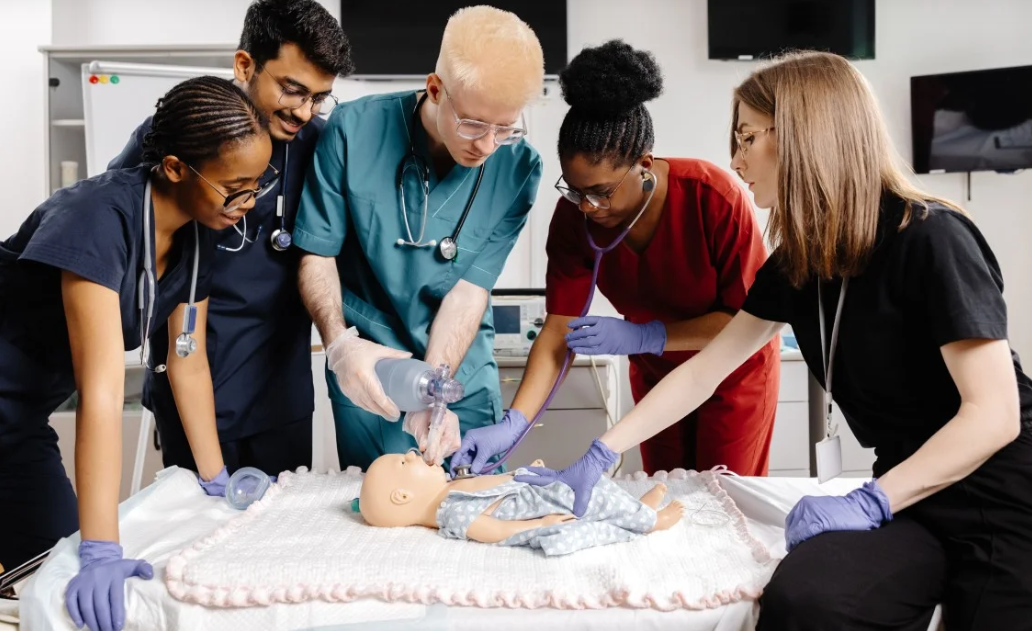
Because opportunities to perform certain neonatal procedures are often limited, simulation has become an important component of NNP education and professional development. Simulation allows NNPs to practice high-risk and low-frequency procedures in a controlled environment without placing patients at risk.
High-fidelity simulation can also recreate the complexity of real-world situations, such as a deteriorating infant requiring urgent airway management. In these environments, NNPs can practice both technical skills and communication, as well as teamwork and decision-making while receiving immediate feedback.
Regular simulation-based training can help identify skill gaps before they become clinical challenges. It also gives experienced NNPs an opportunity to maintain proficiency as technologies, equipment and evidence-based practices evolve.
Developing Advanced Clinical Expertise
Ultimately, procedural mastery is strongest when paired with advanced clinical expertise. NNPs must integrate patient assessment, pathophysiology, diagnostic information, and evidence-based guidelines into every procedural decision.
This means continually expanding knowledge of neonatal physiology, airway management, respiratory support, hemodynamics, and pharmacology while staying current with evolving standards of care. Moreover, experienced NNPs also learn to anticipate complications and recognize subtle changes in an infant’s condition before they become emergencies.
In other words, the NNPs who stand out are not simply those who can perform the most procedures. They’re clinicians who combine technical precision with confidence, critical thinking and sound judgment. By prioritizing procedural competency, participating in simulation-based education, and pursuing advanced clinical expertise, you can strengthen your ability to deliver safe, responsive and highly specialized care to the smallest and most vulnerable patients.
Whether you’re a veteran NNP with years of experience or you’re just entering the NICU, finding the right employer is a critical component of a successful career. If you’re searching for your next role as an NNP, allow Ensearch to help match you with the best NICU for you. We work exclusively with NNPs and have helped hundreds of candidates find their dream jobs through our connections with NICUs across the U.S. Get started with a free career consultation today.

