
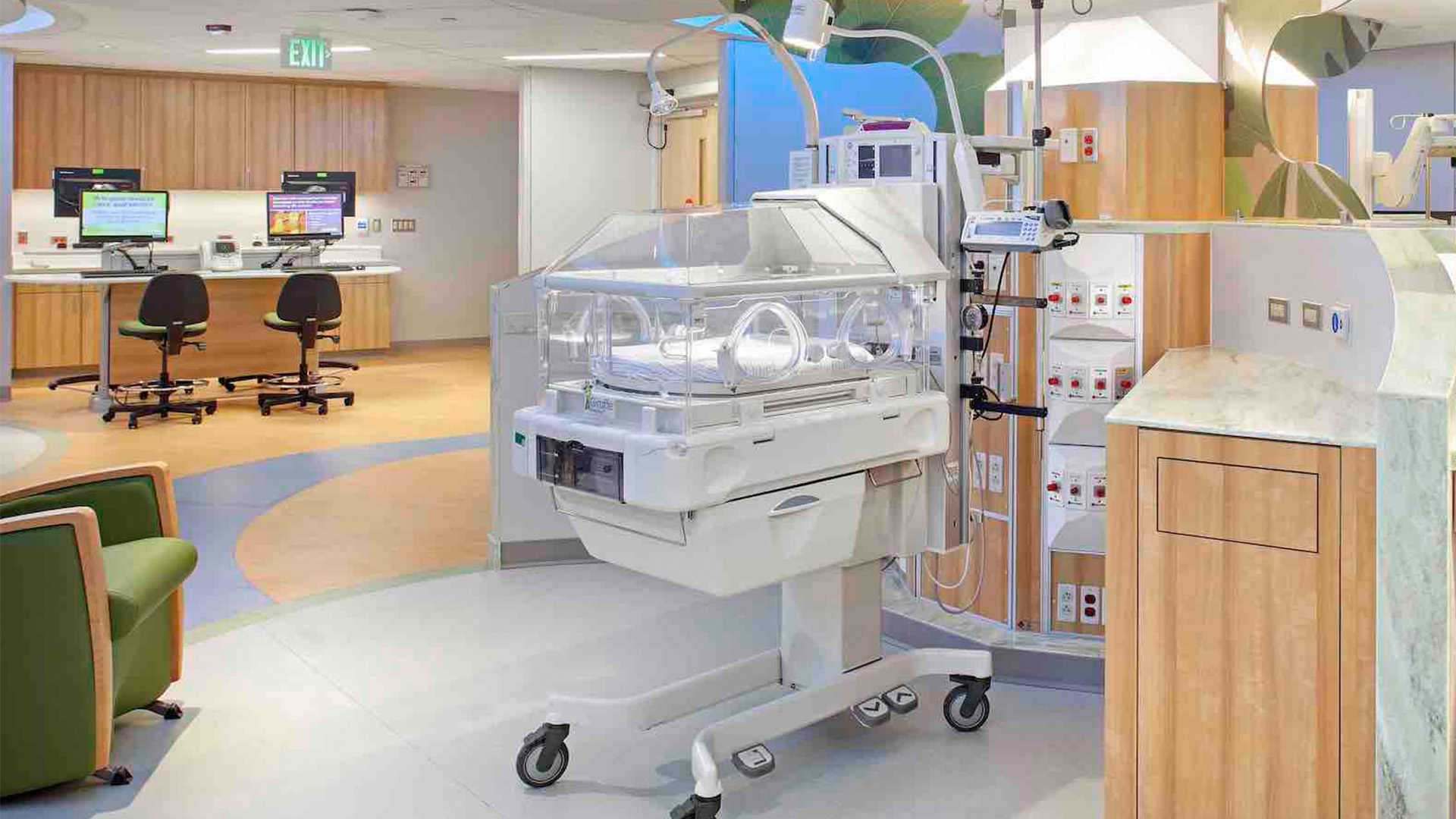
Neonatal intensive care units (NICUs) are among the most technologically advanced environments in healthcare. Yet as neonatal care continues to evolve, new technologies are emerging that promise to significantly improve outcomes for preterm and critically ill infants. For healthcare leaders, the challenge is not only identifying the most impactful tools, but also implementing them effectively across clinical teams and workflows.
From artificial intelligence–powered monitoring to advanced neurodiagnostics, today’s NICU technologies are shifting care from reactive treatment to earlier detection and more personalized intervention.
AI-Driven Monitoring and Predictive Analysis
One of the most transformative innovations in neonatal care is the use of artificial intelligence to analyze physiologic and behavioral data in real time. AI platforms can continuously monitor vital signs, respiratory patterns, and clinical data streams to identify early warning signs of complications such as sepsis, apnea, or necrotizing enterocolitis.
Predictive algorithms can flag subtle physiologic changes hours before symptoms become clinically apparent, allowing clinicians to intervene earlier and potentially prevent deterioration. Some neonatal AI monitoring platforms report significantly improved detection of critical conditions and earlier clinical alerts compared with traditional monitoring systems. For health systems managing high-acuity NICUs, these technologies can help improve patient safety while also reducing alarm fatigue and clinician workload.
Computer Vision and Touchless Monitoring
Another rapidly emerging category of NICU technology involves computer vision and camera-based monitoring systems. These tools use AI-powered video analysis to track infant movement, respiratory patterns, and neurologic behaviors without requiring direct skin contact.
Researchers have demonstrated that AI algorithms analyzing NICU video feeds can detect neurologic changes and movement patterns that correlate with infant neurological status. This type of monitoring could enable continuous neuro-telemetry in environments where neurologic assessments are typically intermittent. Touchless monitoring also reduces reliance on adhesive sensors, which can damage fragile preterm skin. New systems using depth-sensing cameras have achieved high accuracy in detecting infant motion and activity while minimizing contact-related risks. For NICUs focused on neurodevelopmental care, these tools represent a major step toward more comprehensive, noninvasive monitoring.
Next-Generation Neurologic Monitoring
Neurologic injury remains one of the most serious complications affecting preterm infants. Emerging neurodiagnostic technologies are helping NICUs identify neurologic issues earlier and with greater precision.
Advanced neonatal EEG systems are becoming more accessible and easier to integrate into bedside monitoring workflows. Some platforms now combine EEG with synchronized video data and machine learning analysis, helping clinicians detect seizures and neurologic abnormalities more quickly.
In addition, innovations in neonatal MRI are making imaging more feasible within NICU environments, enabling earlier detection of brain injury without transporting critically ill infants to external imaging suites.
Digital Care Platforms and Family Engagement Tools
Modern NICU technology also extends beyond clinical monitoring. Digital platforms now support feeding management, discharge planning, and family engagement. Some NICU systems integrate bedside cameras, clinical data dashboards, and family communication tools into a single digital platform. These technologies allow families to view their infants remotely while also supporting care coordination among multidisciplinary teams. For hospitals prioritizing family-centered care, these tools can improve parental engagement while reducing anxiety during prolonged NICU stays.
Deployment Best Practices for Healthcare Leaders
While the technology itself is powerful, successful adoption depends on thoughtful deployment. Healthcare leaders should focus on several key implementation strategies:
- Begin with pilot programs. Testing new technology in a limited number of beds or units allows teams to evaluate workflow integration and refine protocols before broader rollout.
- Integrate with existing clinical systems. Technologies should connect seamlessly with electronic health records, physiologic monitors, and alarm management systems to avoid creating data silos.
- Prioritize staff training and buy-in. NICU clinicians must trust and understand new tools. Structured training programs and clear communication about clinical benefits are essential for adoption.
- Establish governance and data oversight. AI-driven technologies require careful validation and oversight to ensure safety, reliability, and regulatory compliance.
For healthcare leaders, investing in next-generation NICU technologies offers an opportunity to transform neonatal care. By combining advanced monitoring, predictive analytics, and neurodiagnostic tools, hospitals can move toward earlier detection of complications, more personalized treatment, and improved long-term outcomes for vulnerable infants.
While these tools hold promise, no technology can replace a strong NICU workforce. If you’re looking to fill openings in your NICU, allow Ensearch to help. We specialize in expanding the workforce in healthcare organizations by filling their openings with qualified full time or locum professionals. Start your search by scheduling a consultation with Ensearch today.

