
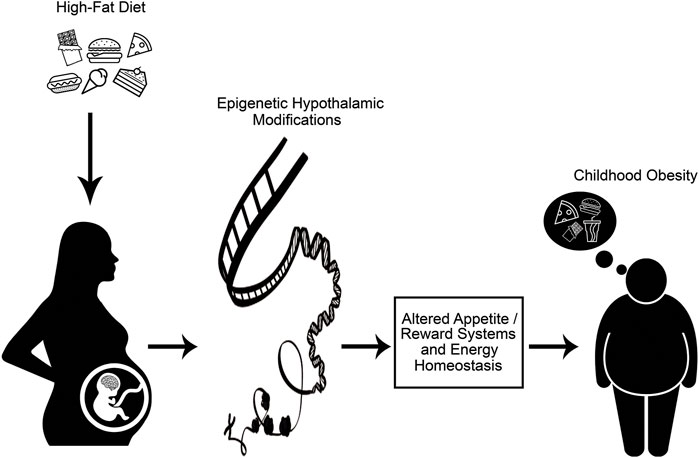
Epigenetics is reshaping how neonatal nurse practitioners (NNPs) understand the long-term impact of early life care, particularly for preterm infants. Rather than altering DNA sequences, epigenetic mechanisms regulate how genes are expressed, effectively turning them “on” or “off” in response to environmental influences. In the neonatal period, when developmental plasticity is at its peak, these influences can have lasting implications for health outcomes across the lifespan.
One of the most studied epigenetic processes is DNA methylation, which can modify gene expression without changing the underlying genetic code. In preterm infants, whose organ systems are still developing, environmental exposures in the NICU can significantly shape these epigenetic patterns. This underscores the critical role neonatal providers play, not only in immediate survival, but in influencing long-term developmental trajectories.
Maternal Stress and Prenatal Programming
Maternal stress is a key prenatal factor linked to epigenetic changes. Elevated maternal cortisol levels can cross the placenta, potentially altering fetal gene expression related to stress response systems, such as the hypothalamic-pituitary-adrenal (HPA) axis. These changes have been associated with increased risks of neurodevelopmental disorders, impaired emotional regulation, and even chronic diseases later in life. For NNPs, this highlights the importance of trauma-informed care and family-centered practices that support maternal mental health both before and after delivery.
NICU Interventions and the Epigenetic Environment
Within the NICU, necessary medical interventions may also carry epigenetic implications. Repeated exposure to painful procedures, prolonged mechanical ventilation, and high oxygen levels have all been examined for their potential to influence gene expression. For example, frequent untreated pain has been associated with altered methylation in genes involved in stress regulation and inflammation. While these interventions are often lifesaving, minimizing unnecessary stress through strategies like clustered care, non-pharmacologic pain management, and developmental care protocols can help mitigate potential long-term effects.
Nutrition as an Epigenetic Modulator
Nutrition is another powerful modulator of epigenetic activity, particularly in preterm infants. Human milk contains bioactive components including microRNAs, oligosaccharides, and methyl donors such as folate and choline, all of which support healthy gene expression. Studies suggest that early nutritional exposures can influence metabolic programming, immune function, and neurodevelopment. This reinforces the importance of prioritizing breast milk feeding when possible, as well as optimizing parenteral and enteral nutrition strategies to meet the unique needs of preterm neonates.
The Emerging Role of the Microbiome
Emerging research also points to the role of the microbiome in epigenetic regulation. Early colonization patterns, shaped by factors such as mode of delivery, antibiotic exposure, and feeding type, may interact with the infant’s epigenome to influence immune development and disease susceptibility. While this area is still evolving, it adds another layer of complexity (and opportunity) for neonatal care.
Implications for Neonatal Practice
For NNPs, integrating an epigenetic perspective into clinical practice doesn’t require sweeping changes, but rather a heightened awareness of how everyday care decisions may carry long-term consequences. Supporting parental involvement, minimizing stress and pain, and optimizing nutrition are both best practices for immediate outcomes and investments in lifelong health.
As the science of epigenetics continues to advance, it offers a compelling framework for understanding how early interventions can shape the future. When it comes to the future of your career, you should feel confident that your work environment is the right fit. If you’re seeking a change, turn to Ensearch. We’re specialists who work exclusively with NNPs and have helped hundreds of candidates find their dream jobs through our connections with NICUs across the country. Get started with our free career consultation today.

